
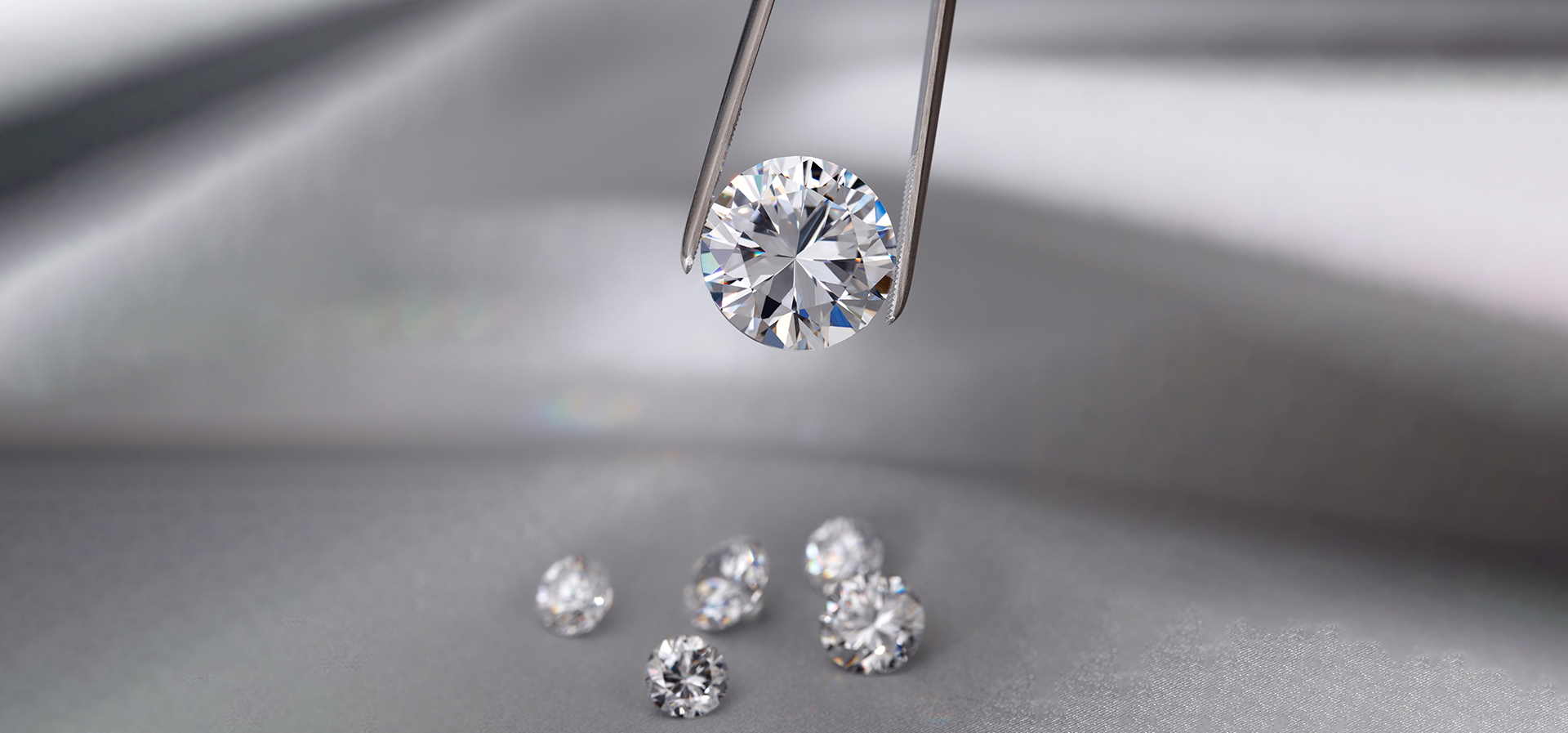
When was the last time you looked at a diamond and thought about where it came from? Most of us don’t. We see sparkle, brilliance, and maybe the price tag. But lately, a quiet shift has been happening in the jewelry world. The Novita lab grown diamonds story is part of that shift—one where diamonds aren’t just mined from the earth but created with science, precision, and, surprisingly, a lot of heart.
And honestly? It’s kind of fascinating.
The Story Behind Novita Lab Grown Diamonds
Think about it: every diamond has a story. Mined diamonds often carry tales of distant lands, hidden mines, and sometimes… not-so-glamorous supply chains. On the other hand, the Novita journey flips the script.
Instead of digging deep into the ground, their Novita lab grown diamonds story are grown in a lab—controlled, ethical, and yes, still stunning. These gems are chemically identical to mined ones, but their backstory feels more… modern.
Imagine gifting a ring and saying, “This diamond was grown in a lab using cutting-edge tech.” That’s not just a piece of jewelry—that’s a conversation starter. And for people who care about sustainability and innovation, that matters.
Why Lab Created Diamonds Are Trending
Let’s be real for a second. Trends come and go in jewelry. Remember the yellow gold craze of the early 2000s? Or the big chunky stones that everyone wanted in the 90s? Yeah.
But lab created diamonds are different. They’re not just a trend—they’re reshaping the way people think about luxury. Here’s why:
- Affordability without losing sparkle
– Same brilliance as mined diamonds, often at a lower price. Who doesn’t love that? - Eco-friendliness
– No massive mining operations, no giant holes in the earth. A cleaner conscience with your bling. - Customization
– Because the process is controlled, you can get unique shapes, sizes, and even colors. That’s something harder to pull off with natural mining. - Acceptance is growing
– Let’s be honest, a decade ago some people would have raised an eyebrow. Now? Even luxury jewelers are offering lab grown stones.
The Novita lab grown diamonds story isn’t about ditching tradition. It’s about updating it for a new generation.
Why This Story Matters Here and Now
Here’s a fun thought. Jewelry has always reflected culture. In Paris, people lean chic and timeless. In New York, bold and modern. In Asia, traditions blend with contemporary design.
So why do lab created diamonds fit so well right now? Because we live in a time when people want meaning behind purchases. A diamond isn’t just a rock—it’s tied to love, milestones, even identity.
And when that story includes sustainability, ethics, and technology, it feels more aligned with today’s values. To put it simply: a lab grown diamond says, “I care about beauty, but also about the bigger picture.” That’s a powerful message.
How the Magic Actually Happens
Okay, let’s geek out for a second. How do lab created diamonds even work? Here’s the simplified version—without turning it into a science lecture.
- The seed
– Every diamond starts with a tiny “seed” of carbon. Think of it like planting a crystal instead of a flower. - The growth chamber
– This seed is placed into a high-tech machine that mimics the natural conditions where diamonds form deep underground—extreme heat and pressure. - Growth over time
– Over weeks, carbon atoms stack onto the seed, layer by layer. Slowly, the diamond grows. - Cutting and polishing
– Once grown, it’s treated just like a mined diamond. Cut, polished, and set into jewelry.
And the final product? Indistinguishable from a natural diamond. Even experts need advanced tools to tell them apart. Crazy, right?
Wrapping It Up
At the end of the day, the Novita lab grown diamonds story is less about science and more about choice. It’s about giving people the option to wear something beautiful, ethical, and modern without sacrificing tradition.
And let’s face it: lab created diamonds are here to stay. They’re not just a shiny alternative—they’re a reflection of how we, as a generation, want luxury to evolve.
So the next time you see a sparkling stone, you might ask yourself a different question. Not “How much is it?” but “What’s its story?”